
Colony counts in seconds
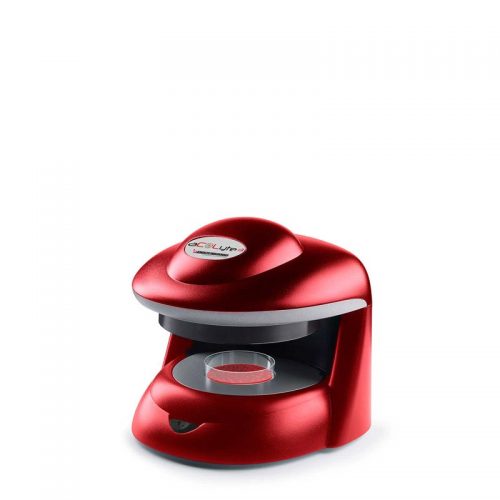
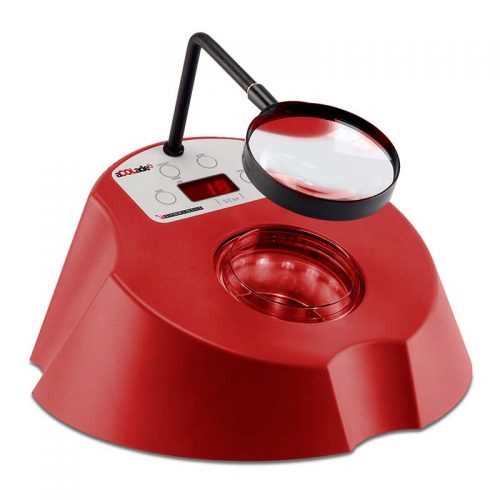
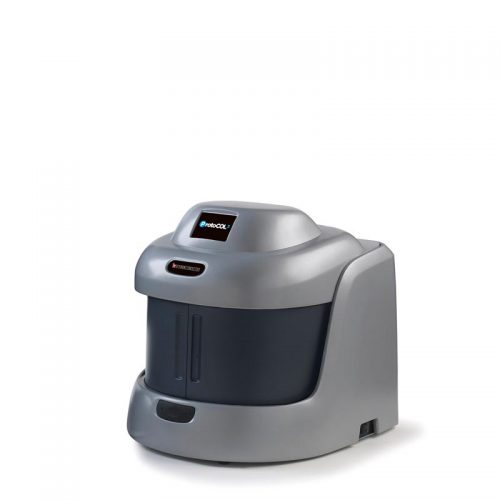
You can use a ProtoCOL 3, Protos 3 or an aCOLyte 3 for microbial enumeration of pathogens in applications such as disinfectant testing or preservative efficacy testing to rapidly provide you with a precise total count. These systems can accurately count total coliforms or specific bacteria such as Clostridium, Proteus and Salmonella to help you test for the absence of pathogens on a variety of plate types.
Excellent colour definition
With the ProtoCOL 3 and Protos 3 you’ll find unrivalled colour differentiation technology. So if you’re testing veterinary samples to count specific bacteria such as Streptococcus, ProtoCOL 3 and Protos 3 will quickly and easily provide precise counts of pathogenic organisms from your selective plate.
Easy zone measurement
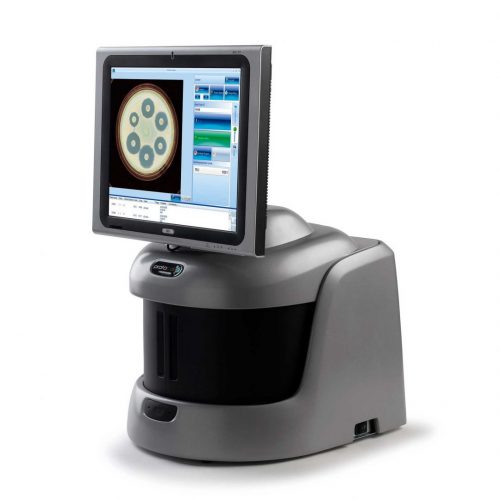
If you need an easy way of measuring zone sizes, then the ProtoCOL 3 system is ideal. ProtoCOL 3 can automatically perform zone sizing of biograms and other types of antibiotic susceptibility testing methods and can even perform accurate halo sizing of haemolytic bacteria.
Time saving analysis
With the simple to use software in Synbiosis colony counters, you can automatically distinguish true colonies or measure zone sizes, saving you hours, by effortlessly providing and storing precise images and data in seconds.
Click on the following links to read about the following applications: